How Winter Affects Indoor Air Quality

December 28, 2022

With the arrival of winter, you will likely spend more time inside relaxing. While the home's HVAC system ensures you are warm and comfortable, the increased usage and time spent inside can decrease the indoor air quality of the property. This is because less fresh air is entering the home, which can have negative effects on your health. Below is more information about this issue and how to prevent it.


What Are Common Indoor Air Quality Issues?


During winter, you likely close the windows and doors to seal the property and prevent air leaks that reduce the energy efficiency of your HVAC system. While improving insulation around the doors and windows helps the home stay warmer, this also means that airborne contaminants cannot exit the house as easily. This allows them to recirculate through the HVAC system, causing you to breathe them in repeatedly.


For example, pet dander, mold, mildew, and dirt are common contaminants that can cause allergy-like reactions if you inhale them. If you have a fireplace, you may also be exposed to more smoke or carbon monoxide, which can be dangerous. Additionally, many common cleaning products contain volatile organic compounds. These molecules are released into the air, and they contribute to an unhealthy atmosphere. This can lead to nausea, headaches, and dizziness.


How Can You Improve the Home's Indoor Air Quality?


The most effective way to combat poor indoor quality in winter is to increase the home's ventilation. Removing stale air and allowing fresh air inside prevents pollutants from accumulating to levels that affect your health and comfort. Since opening your doors and windows can make the home much colder, invest in mechanical ventilation devices, such as outdoor-vented fans, to release stuffy air.


Also, replace the HVAC system's air filter. Over time, this screen collects considerable dust and debris, and when it is clogged, it cannot remove future contaminants from the air. Generally, you should swap this component once every three months. If you have several pets in the home or host gatherings regularly, replace the filter once a month. 


Finally, clean the home at least once a week to remove dust and dirt. Vacuum the carpets thoroughly to remove debris that is stuck in the fibers, and wipe the vents and registers with a microfiber cloth. Also, look for signs of excess moisture inside the home, such as condensation on the windows and discolored paint. High humidity contributes to mold growth, which is a harmful substance.


If you are in need of service or preventative maintenance on your current HVAC system please give us a call and we'd be glad to being the process of evaluating your needs along with your budget and coming up with a plan for your heating, cooling & air quality needs.


330.263.0013 or 330.359.7114

sales@alpinehcservices.com

https://www.alpinehcservices.com/contact

December 19, 2025
Most HVAC problems don’t start with a breakdown. They start quietly—months or even years earlier—because of one simple habit almost every homeowner has. They wait until something stops working to think about their HVAC system.  HVAC Systems Don’t Fail Suddenly—They Wear Out Your furnace or air conditioner doesn’t usually “just die.” It wears down gradually through: Longer run times Higher electrical draw Rising internal temperatures Increased vibration and stress By the time a system shuts off or trips a safety, the damage has often been happening for a long time. That’s why emergency breakdowns almost always come with higher repair costs. What Actually Causes Premature HVAC Failure Contrary to popular belief, age alone isn’t the biggest killer of HVAC equipment. The most common causes are: 1. Small Issues Left Unchecked A weak capacitor, dirty flame sensor, or failing blower motor doesn’t always stop the system—but it forces other components to work harder. That added strain shortens the life of the entire system. 2. “It’s Still Working” Syndrome Homeowners often delay service because: The house still heats or cools The system hasn’t locked out There’s no obvious warning light Unfortunately, HVAC systems can operate while slowly damaging themselves. 3. Deferred Maintenance Costs More Than Repairs Skipping routine service doesn’t save money—it shifts the cost to: Larger repair bills Emergency service calls Shortened system lifespan A simple maintenance visit can prevent a $1,500 breakdown. Why Breakdowns Always Happen at the Worst Time There’s a reason furnaces fail during cold snaps and ACs quit during heat waves. Extreme weather forces systems to: Run longer Start more frequently Operate at peak capacity If a component is already weakened, that’s when it finally gives up. What “Normal Operation” Should Actually Look Like A healthy HVAC system should: Start smoothly Run consistently (not constantly) Shut off cleanly Maintain temperature without drastic swings Sound the same month to month Changes in sound, runtime, or performance are early warning signs—not inconveniences. The Smarter Way to Think About HVAC Ownership Instead of asking: “Is it broken?” A better question is: “Is it operating the way it should?” That mindset shift alone prevents many major HVAC failures. Final Thought Your HVAC system is one of the most expensive mechanical systems in your home. Treating it as something to react to—rather than maintain—almost guarantees higher costs and shorter lifespan. The homeowners who get the longest life and lowest total cost aren’t lucky. They’re proactive. Serving Wooster, OH, and surrounding communities since 1993, we are a locally owned and operated HVAC contractor working with a variety of heating and cooling systems. Call (330) 263-0013 to schedule an furnace repair or inspection and visit our website to learn more about our qualifications. Connect on Social Media for more tips and insights.
People walking in winter snow storm
By Tom Markley December 10, 2025
Don’t panic—get warm fast! Follow these expert steps to troubleshoot your heater and stay safe when the heat goes out in the middle of winter.
By Tom Markley November 26, 2025
Cold Hands in Sweater
November 19, 2025
Northeast Ohio homes often feel cold even at 72°. Learn why comfort drops despite a warm thermostat and how Alpine Heating & Cooling can fix the real causes fast.
Pipe bursting from cold temperature
November 12, 2025
Protect your home from frozen pipes! Follow these 5 quick tips to prevent costly pipe bursts and keep your plumbing safe during winter.
October 27, 2025
Help Us... Help Others !!! From Today until Thanksgiving for each Like and/or Share this post on any of our social media channels we will donate $10 (Up to $2,000.00 Total) to CCHO to support their Thanksgiving Program. Each Like and/or Share provides a child with a meal for Thanksgiving! To learn more about this great program and the great work they are doing in our area check out the link below and to help out please visit our any of our social media channels and Like/Share !!! https://www.ccho.org/gift (IG LINK IN BIO)
October 22, 2025
Compare heating fuel options with Alpine Heating & Cooling’s guide to understanding the fuel factor and making informed heating choices.
October 14, 2025
Feel better with better comfort! Discover how temperature and indoor climate affect your health, mood, and daily energy levels.
CARTOON FURNACE HOLDING THERMOSTAT
October 8, 2025
This fun HVAC mascot stands in a warm living room, smiling with a thermostat in hand, symbolizing efficient home heating and dependable furnace service.
HAND TURNING ON FAN
October 1, 2025
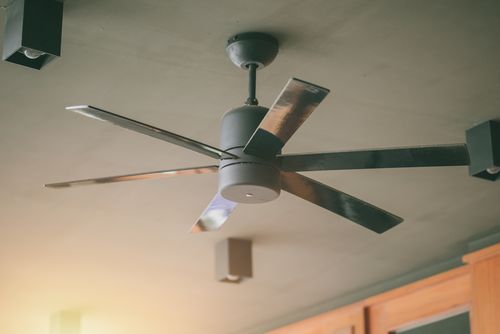
Stay warm and save this fall! Learn how to use your ceiling fan the right way to boost home comfort and ease the load on your heating system.
More Posts